Tamilnadu
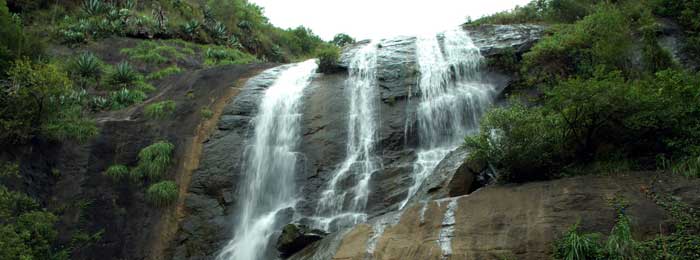
We all know how cultured and beautiful the southern part of our country is. And if there had to be one state that would describe the majesty of South India that it has to be Tamil Nadu. Adorned with diversity, this state is ideally the homeland of classical civilization that has preserved and nurtured their two millennia old culture, traditions and art in such a way that it has been set as an example for other states. Tamil Nadu breaks all the clichés and has emerged as a state that has bounty and diversity. Rolling mountains, azure seas, sandy beaches, swaying fields, high cascading waterfalls, chic hotels, uber cool lounges, lofty shopping malls, there is infact nothing that this state lacks and therefore it is a must visit in India. Here is a list of some of the best places to visit in Tamil Nadu that will definitely open eye to a different and classic India.
Kanyakumari
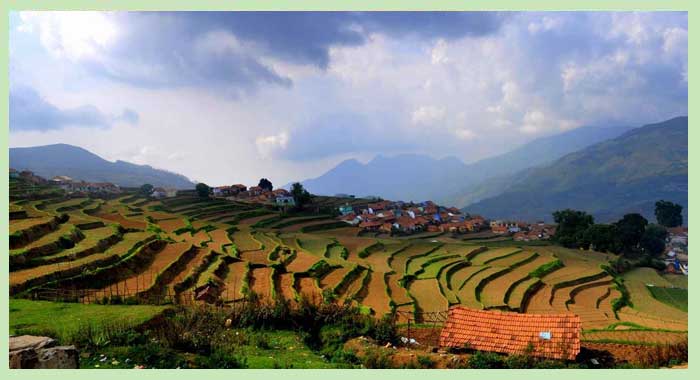
Jutting into the Laccadive Sea, the town was known as Cape Comorin during British rule and is popular for watching sunrise and sunset over the ocean. This area is very beautiful. Since the early 1970s, tourism has been an industry in the town. Because of this it is one of the few small towns in South India where one can hear many of the different languages of India spoken in the street.
Rameswaram
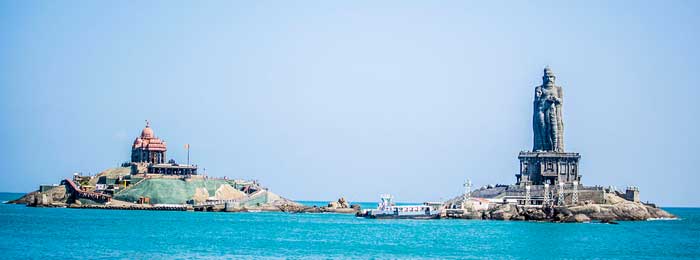
Rameswaram was once the southernmost point of sacred India; leaving its boundaries meant abandoning caste and falling below the status of the lowliest skinner of sacred cows. Then Rama (incarnation of Vishnu, hero of the Ramayana) led a monkey-and-bear army across a monkey-built bridge to (Sri) Lanka, defeating the demon Ravana and rescuing his wife, Sita. Afterwards, prince and princess offered thanks to Shiva here. Today, millions of Hindus flock to the Ramanathaswamy Temple to worship where a god worshipped a god.
Otherwise, Rameswaram is a small, scruffy fishing town on conch-shaped Pamban Island, connected to the mainland by 2km-long bridges. If you aren't a pilgrim, the temple alone barely merits the journey here. But the island's eastern tip, Dhanushkodi, only 30km from Sri Lanka, has a magical natural beauty that adds to Rameswaram's appeal. And for activity-loving travellers, the island's western edge is buzzing as a low-key water-sports destination.
Madhurai
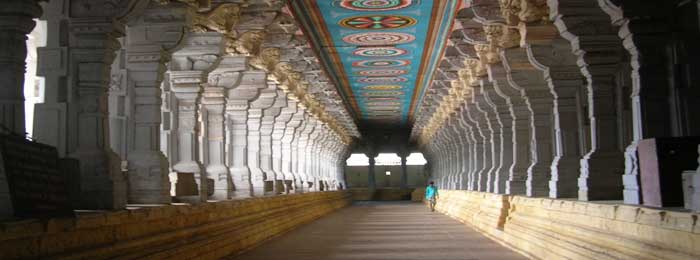
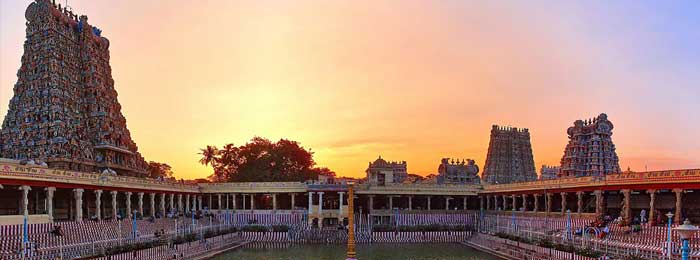
One of South India’s great temple towns, Madurai is synonymous with the celebrated Meenakshi Temple. Situated on the banks of river Vaigai, Madurai has a rich cultural heritage passed on from the great Tamil era more than 2500 years old. Madurai was an important cultural and commercial centre even as early as 550 AD. It was the capital city for the great Pandya kings.
Kodaikanal
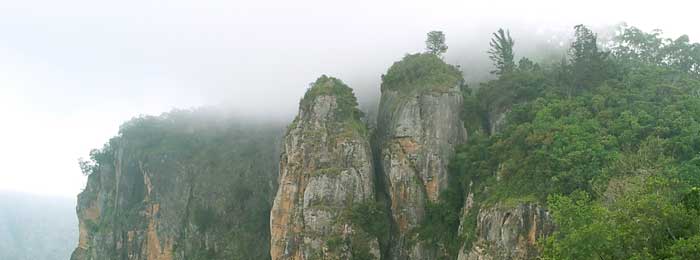
Kodaikanal located amidst the folds of the verdant Pali hills is one of the most popular serene hill stations in India, which mesmerises any visitor. With her wooded slopes, mighty rocks, enhancing waterfalls and a beautiful lake, a tour of Kodaikanal India is full of fun and leaisur holidays.
Kodai is situated at an altitude of about 2,133-m high and covers an area of 21.45-sq-km. The hill town is renowned for its educational institutions of international repute. Other than the fascinating places to visit in Kodaikanal, the pride of Kodaikanal is the 'Kurinji-flower', which blossoms once in 12 years. The hill-plantain fruits and plums are known for their freshness and taste.
Ooty
Ooty (Ootacamund) the Queen of the Hill Stations, also known as Blue Mountains is one of the most beautiful hill stations in India. This hill station has splendid green downs and lofty hills of extraordinary scenic beauty and is endowed with a salubrious climate similar to the English summer.
Located in the Western Ghats at a height of 7,500ft, Oooty/ Udhagamandalam is the headquarters of the Nilgiri district. Ooty was the former summer retreat of the British. John Sullivan, the collector of Coimbatore who founded the first European settlement here, stumbled across Ooty's idyllic scenery in 19th century during one of his nomadic searches for rare flowers. The name Ooty or Ootacamund derives its name from the local Toda word Udhamandalam meaning village of huts. The Tamil 'Whotai' a species of dwarf bamboo that grows in the forests, 'kai' meaning a fruit or green stuff in the middle and the Toda 'mund' meaning a village clapped at the end. Ooty, however, got its name during the British rule, by calling 'WOTYKAMUND' in the Madras gazette.